
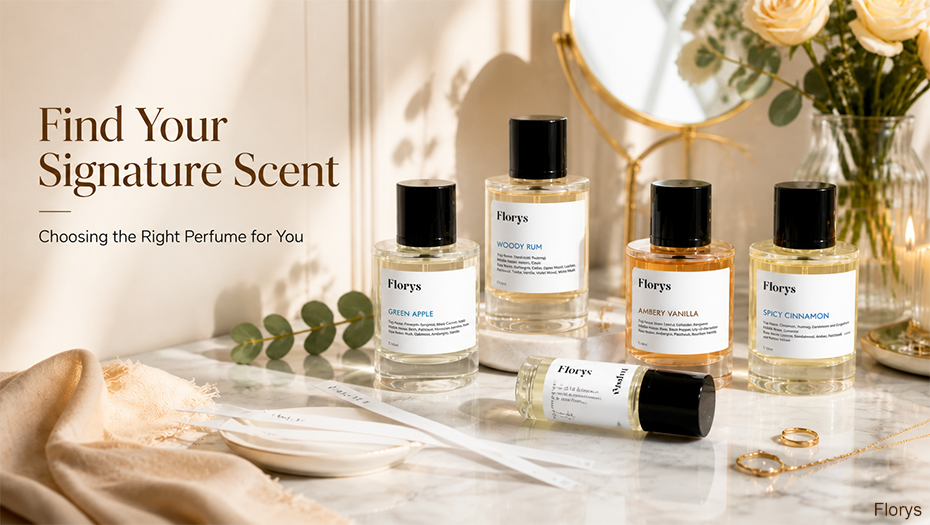
Choosing a perfume does not need to be complicated. The best place to start is with scents that smell pleasant to you and work well for your daily routine. With Florys Perfumes, you can explore different fragrance styles, notes, and concentrations to understand what you enjoy most. There is no single fragrance type that works for everyone. Some people enjoy fresh and light scents, while others prefer floral, sweet, woody, spicy, or warm fragrances. Learning a few fragrance basics can make choosing easier.
Start With the Scents You Like
Think about scents you already enjoy, such as citrus fruits, flowers, vanilla, coffee, spices, woods, musk, or fresh green notes. These preferences can help when reading perfume descriptions. If you enjoy fresh scents, citrus or green fragrances may be worth exploring. If you prefer warmer scents, vanilla, amber, woods, or spices may be a better place to start. There is no need to follow a particular trend. Start with familiar notes and explore from there.
Understand the Main Fragrance Families
Perfumes are commonly grouped into fragrance families. Understanding these groups can make it easier to compare different options.
Floral: Includes notes such as rose, jasmine, peony, violet, and other flowers. Floral fragrances can range from fresh and light to deep and rich.
Fresh: Includes citrus, aquatic, green, and aromatic notes. These fragrances often smell clean, bright, or crisp.
Woody: Includes sandalwood, cedar, vetiver, and similar notes that can create warm, dry, earthy, or smooth scents.
Gourmand: Includes notes inspired by foods and desserts, such as vanilla, caramel, coffee, chocolate, and tonka bean. These fragrances are often sweet and warm.
Amber: Often combines warm notes such as resins, spices, musk, vanilla, and woods.
Many perfumes combine more than one fragrance family. A scent can be floral and woody, fresh and spicy, or sweet and amber, so there is no need to limit your choice to a single category.
Pay Attention to Fragrance Notes
Perfume can change after it is applied. Top notes create the first impression, heart notes appear as the opening begins to fade, and base notes develop later and usually remain noticeable for longer. This means the first smell of a perfume may not represent how it will smell after an hour or several hours. Giving a fragrance time to develop provides a better idea of its overall scent.
Test Perfume Before Choosing
A paper testing strip can provide a quick introduction to a fragrance, but testing perfume on skin can help you understand how it develops over time. Skin temperature, moisture, application, and other factors can influence fragrance performance. Apply a small amount and allow it to settle instead of deciding immediately after spraying. It is also useful to test only a few fragrances at a time because comparing too many scents can make their differences harder to notice.
Consider Fragrance Strength and Longevity
Perfumes are available in different concentrations, which can affect their strength and how long they remain noticeable. Eau de Parfum and parfum usually contain higher fragrance concentrations than lighter formats, although concentration is only one factor. Ingredients, formulation, application, and environment can also affect performance. Notes such as woods, musk, vanilla, and amber are commonly found in fragrances designed for longer wear. If performance is important, explore a long lasting perfume and check its notes and concentration before choosing.
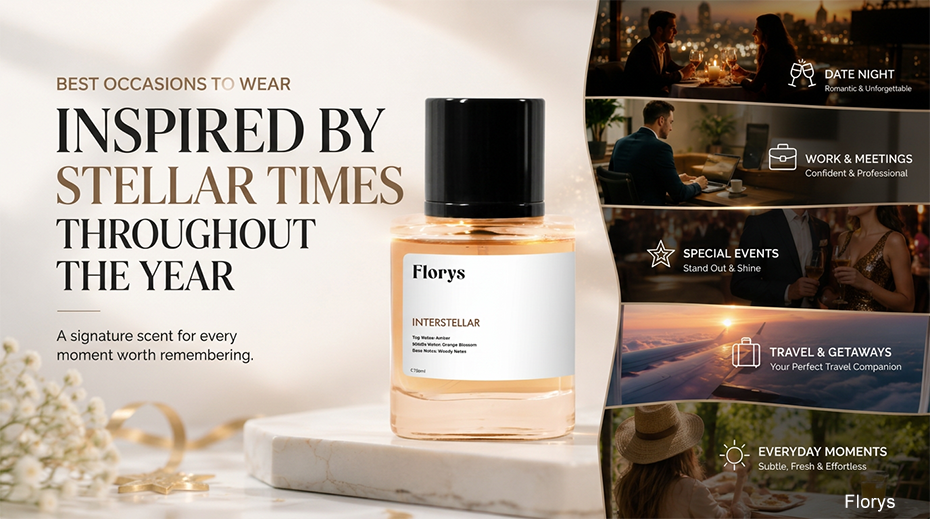
Choose Fragrance According to the Situation
Different fragrance styles can work well in different situations. Fresh, citrus, floral, green, and light woody scents are common options for regular daytime use, while softer fragrances may work well in shared spaces. Richer woody, spicy, amber, and gourmand fragrances provide another option when a deeper scent is preferred. Weather can also influence fragrance choices, with fresh and airy scents often feeling lighter in warm conditions and woody, spicy, vanilla, or amber fragrances offering warmer scent profiles in cooler conditions. These are only general guidelines, and any fragrance can be worn at any time according to personal preference.
Create a Fragrance Collection
There is no requirement to wear the same perfume every day. A small fragrance collection can provide different options depending on preference, activity, or weather. A collection might include a fresh fragrance, a woody option, a sweet scent, and something deeper. Fragrance layering is another way to create variety. Combining compatible scents or scented products can produce a different fragrance profile, and starting with simple combinations makes it easier to understand how different notes work together.
Choose a Perfume You Enjoy Wearing
There is no universal rule for finding the perfect perfume. Price, popularity, packaging, and trends do not automatically determine whether a fragrance is suitable. Focus on the scent itself, check the fragrance notes, compare different fragrance families, and test the perfume when possible. The most suitable perfume is simply one that smells good to you and works well for how and when you want to wear it.
Final Thoughts
Choosing perfume becomes easier when you understand a few basic details about fragrance. Start with notes you already enjoy, learn about the main fragrance families, consider concentration and longevity, and test different scents before deciding. There is no need to limit fragrance choices according to gender, age, location, or popular trends. Fragrance comes down to individual preference, and exploring different scent profiles can help you discover what works best for you. Florys Perfumes offers a variety of fragrance styles and scent profiles to explore, making it easier to compare different options and find fragrances that match your preferences.
Frequently Asked Questions
How do I know which perfume suits me?
Start by identifying scents and fragrance notes you already enjoy. Look for perfumes containing similar notes and test different options when possible.
How long should I test a perfume before buying it?
Allow the fragrance to develop for several hours if possible. The scent can change as the top notes fade and the heart and base notes become more noticeable.
What type of fragrance is suitable for everyday use?
There is no single best type. Fresh, floral, citrus, woody, musky, sweet, and other fragrance styles can all work for everyday use depending on personal preference.
Can perfume be chosen without considering gender?
Yes. Fragrance notes can be enjoyed by anyone. Choosing according to scent preference provides more options than limiting fragrances according to traditional gender labels.
Is fragrance layering useful?
Layering can combine compatible scents to create a different fragrance profile. Starting with simple combinations makes it easier to understand how the fragrances work together.
Do expensive perfumes always last longer?
No. Price alone does not determine longevity. Concentration, formulation, fragrance notes, application, skin, and environmental conditions can all affect performance.
Is it necessary to have more than one perfume?
No. One fragrance may be enough, while having several fragrances simply provides more variety.
What is the most important thing when choosing a perfume?
Choose a fragrance that you enjoy smelling and wearing. Personal preference is more important than popularity, packaging, price, or trends.

Leave a comment
This site is protected by hCaptcha and the hCaptcha Privacy Policy and Terms of Service apply.